Eli Junior Kroupi - Real People
It’s impossible to analyse art without appreciating the context it was created in.
It’s beautiful because it never stays in the same place for long, always evolving. As our influences and experiences are shaped by the changing world, art will always remain an extension of how we interpret these changes.
Art is so deep-rooted into human existence. So deep rooted that, when you slow down and have a look at the flag-bearers for these sparks of brilliance and creativity, you see that there can be a catalogue of things which draw them together. And as art evolves, we pay tribute to those who brought it upon themselves to take it to a different place. And look at the faces who will continue to do so.
March 13, 1972. The world welcomes Lonnie Rashid Lynn into life’s fray. Born in Chicago, Illinois, it would be over 30 years later where he’d stamp himself into music and hip-hop history by releasing ‘Be’, one of the best albums of all time. 3 Grammys, an Academy Award and an Emmy Award along the way, Common is now regarded as one of the best rappers to ever do it.
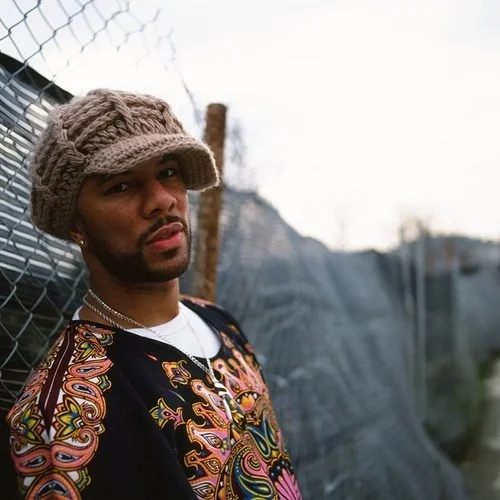
Image via hiphopscriptures.com
13 months after the release of ‘Be’ and 3400 miles away from Chicago, a baby was born in Lorient. Eli Junior Kroupi, son of a former Ivory Coast international Eli Kroupi. 19 years and thirteen goals in his debut Premier League season later, the French under-21 international is being linked with 80 million pound moves to the biggest clubs in the world.
Wonderkids. At 17, Common formed a rap group by the name of C.D.R which was backing up some of the most notorious hip-hop acts in the world. At 16, Eli Junior Kroupi had made his debut, coming off the bench against Strasbourg. A few months later, and he’d scored a brace in a Ligue 1 fixture against Marseille.
But what’s behind that?
Why’s Kroupi's first touch always so good? Why does he need so little steps or touches to get his shots off and why does he always find the corners? It might have something to do with the fact that his dad was a striker who made 20 caps for Ivory Coast whilst having a solid career for the likes of Stade Rennais, FC Lorient and AS Nancy-Lorraine.
Since the age of 3, football was Junior’s calling. Whatever it was that prompted his love for the game, it was something which would stick forever. In interviews, the nineteen year old talks about how he used to work with his dad almost exclusively on technique and his first touch. The tips of the trade passed down from father to a son who, in his fathers words, was much more talented and intelligent than him. The result of this is what we’re seeing now. Greatness breeds more.
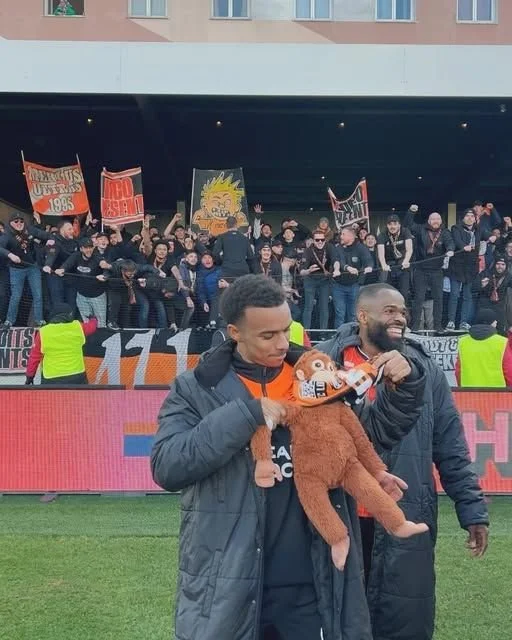
Kroupi at Lorient
Lonnie Rashid Lynn (Common) is the son of Dr. Mahalia Hines and Lonnie Lynn. He saw his mum own and operate three preschools on Chicago’s southside for a decade whilst working in corporate marketing for major firms like Gillette and Liquid Paper. He saw his mum become a headmistress at the Chicago Public School and remain there for 17 years.
For a lot of Common’s childhood, she was the only parental figure around. And the effect it had on Lonnie Jr, seeing his mum not using the pitfalls of maintaining a single-parent household as a crutch or an excuse, but still making her ends - that’s inspiration.
It’s the sort of inspiration that tells you that anything can be possible. The sort of inspiration that tells you to move to New York on your own in order to pursue your dream of becoming a rapper.
And it’s through the parents that both Kroupi and Common were kept on the right track. For what’s all the talent in the world if you’re no one without it?
Common’s mum sheltered him from the systemic urban poverty and gang culture which presides in the peripheries of Chicago. Though he was exposed to that side, Common’s mother stayed on his neck. It was of the utmost importance he was to get good grades in school. A necessity to bring him up with a strong moral and ethical code which would keep him afloat through his life.
The reason why Common’s music has that conscious, introspective and emotional intelligence layered in every track is a direct result of the framework his mum gave him. And to this day, the rapper will talk about her as his best friend.
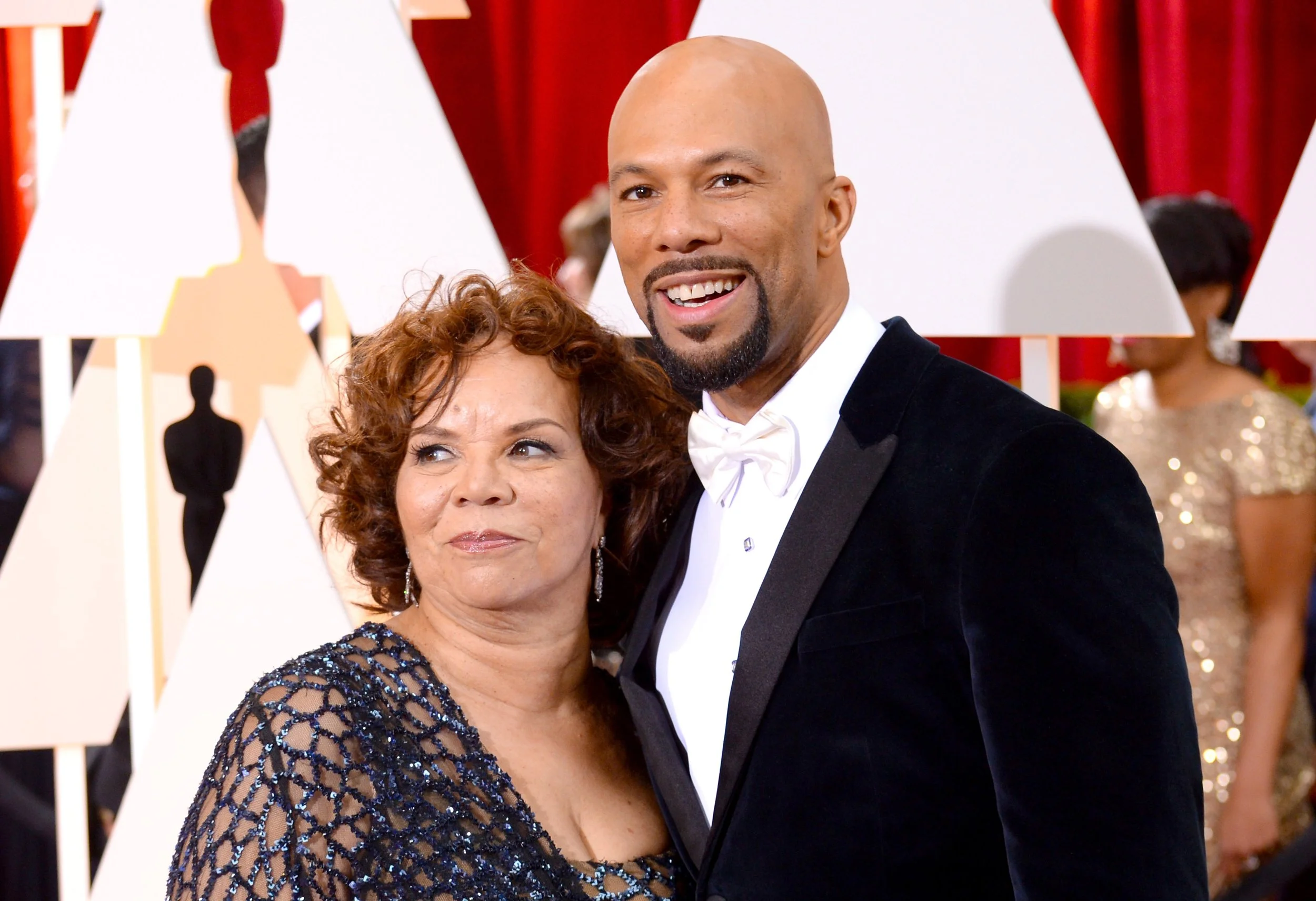
Dr. Mahalia Hines (left) released a book in 2024 named: ‘Tomorrow’s Children: How to raise Children to stay human in a hi-tech society’
Eli Kroupi knew his son was different from the age of 5 where his son, so desperate to play team football, begged to be enrolled in a small amateur club near Lorient. In this club, Kroupi Jr was playing with those up to 5 years older than him and according to his dad, didn’t look out of place.
Lorient academy at 8. Every year from there on, the Frenchman was playing an age group or two up. His ability to see the game quickly coupled with the two-footedness which he inherited from his dad, propelled him to being a name which the Lorient faithful were aware of by the time he was 12.
Junior was viewed as the chosen one, even more so than Enzo le Feet who came through at Lorient a few years prior. Fans had heard of his goal-scoring exploits in the academy and how he signed his first pro contract at 15. But his Dad refused to let the hype get to him. Able to know the toils and pressure which come with professional football, Kroupi Sr kept all the noise away from his son and provided stability at times when the media noise was getting ahead of steam. Now, his son is making the hardest league in the world his playground with tales of his humility and dedication ringing loud.
There’s similarities in their craft. Common is an MC who doesn’t impose his presence. His flow isn’t the flashiest and the nature of his lyrics mean they’ll never stick out to you straight away. You have to pay attention. Common’s rap style is lowkey. Soulful, jazzy beats with a laconic cadence to his flow for the most part. But don’t let the easy-listening fool you. If he needs to, he’ll go straight for the beat’s throat and leave you in awe by the hunger in which he springs his rhymes, hardly stopping for a breath throughout a 3 minute track like he’s been possessed. Because his game is more discreet than it is flashy and flamboyant, you can forget that he’s one of the illest lyricists to ever pick up a microphone.
Kroupi’s playstyle echoes similar truths. He’s not going to nutmeg you on the halfway-line or hit four stepovers as he’s jinking past his man. It’s more subtle. It’s the ease at which he finds putting the ball in the back of the net, just like the feeling of an early 2000s Common song when, like nothing is ever forced.
The Frenchman has all the ability of a superstar but seems to care little for making himself seem like one off the pitch. But it’s not helpful when you’re scoring screamers every other week. Capable of the spectacular whilst also so unassuming, with friendly faces and happy smiles - they’re both killers if you give them a reason to be.
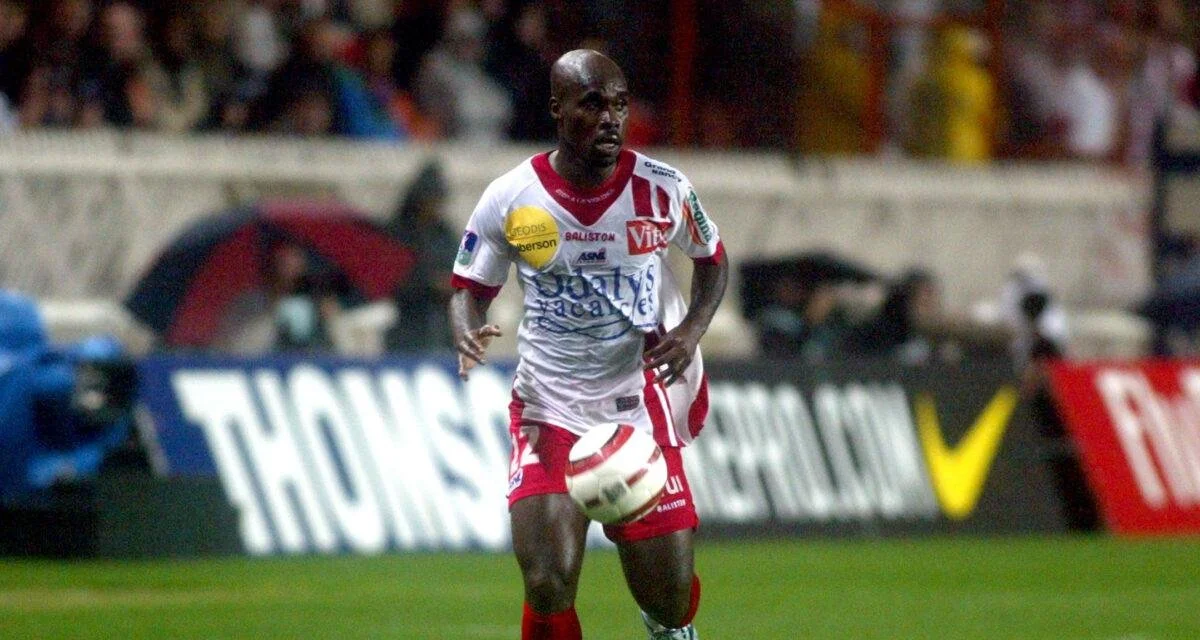
Eli Kroupi made 271 appearances and scored 88 goals in his career. Image via footnational.com
They are both calm in their temperament and self-effacing in their craft. Both were born into a dream and had the childhood which gave them the tools to reach it.
Common created a new lane in hip hop’s mainstream. His upbringing - the role his mother played and the later influences of his father, who performed spoken word poems to the end of many of Common’s albums, alongside Common’s own genius creativity, allowed for the game to change.
In the 1990s, ‘conscious’ rap was trapped in the underground. Artists like Mos Def, A Tribe Called Quest, Talib Kweli and The Roots were popular within the genre but their lack of care for conforming what all the greatest hip hop songs were doing, gave them little chance of charting. Hip-hop at that time, most songs you found at the charts, all shared similar themes of street life, money and masculinity. This isn’t to say that was a problem, these rappers were just echoing their experiences of life.
Common’s refusal to make music which wasn’t true to him paired with his desire to be someone in the rap game made him one of the faces of a new movement which allowed it to evolve and become vulnerable. He never lived that life and never claimed to. Instead of pretending to be someone he wasn’t, which many do, he had the belief that he could change how we view a whole genre just by being himself.
Kroupi will be the face of the next generation of strikers. A generation which will be unlike anything we’ve seen before. A year ago we thought the target-man number 9 was back, but with the recent escapades of PSG and Bayern Munich who are playing the best football in Europe without having a striker picking up usual striker positions, it seems the game is already changing. Art doesn’t stop moving.
Barcelona’s pursuit of Anthony Gordon and Julian Alvarez, two players who are capable of playing centrally but also in other areas in attack, shows Flick wants attackers who are versatile. It makes sense that if you want to dominate your opponents with the ball and dismantle them with fast, attacking football - you need a team full of players who can play anywhere.
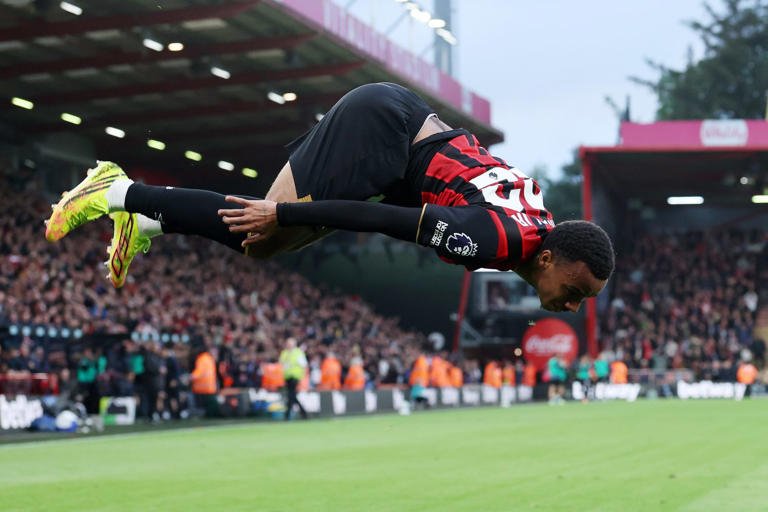
Image via MSN.com
Kroupi’s first-touch, understanding of the game and athleticism places him as the torch-bearer for a potential shift in how we come to view the striker position. Leading the line, playing off the striker, out wide or as a number 10 - he’s shown in his debut prem season he can do them all and still score goals.
Maybe Dom Toretto had a point. Without family (not restricted to just your relatives), who’s going to nourish and protect us when we need it? Kroupi’s dad told him how to score goals and Common’s parents kept him grounded, inspired and able to interpret life for himself. You can be the most talented footballer or musician to walk the planet, but without that support-system around you, your odds of going where you want to go, diminish.
The world keeps spinning and talented people keep coming to put smiles on faces. Common, a Chicago-born 1990s rapper and Kroupi, a 19 year old French striker, shouldn’t have much in the way of similarities. But art will always bring people together.
