The arrival of a sleeping giant: Why African football is on a meteoric rise
Globalisation - ‘describes the growing interdependence of the world’s economies, cultures, and populations, brought about by cross-border trade in goods and services, technology, and flows of investment, people, and information.’
The African Cup of Nations has slowly built up a reputation in western media. And unfortunately many are treating it as a tournament which shouldn’t be held in the same esteem as other inter-continental competitions such as the Euros or Copa America. Most viral clips on social media regarding the tournament are memes or ‘funny’ videos, rather than displays of skill, comradery and moments of brilliance. In 2022, journalists were questioning whether players such as Sebastian Haller would honour their country by going to AFCON. Would these same pundits ever dare to ask Declan Rice if he would honour his country by playing for them at the Euros? In 2025, the figurehead of punditry in this country - Jamie Carragher, went on live TV and tried to dismiss the competition as one which ‘wasn’t a major tournament’. And though he was then put in his place by Micah Richards and Daniel Sturridge who vehemently opposed this nasty rhetoric, Carragher’s views represent a lot of people around the world who see AFCON as more of an annoyance than a vibrant and historical tournament packed with passion and quality from head to toe.
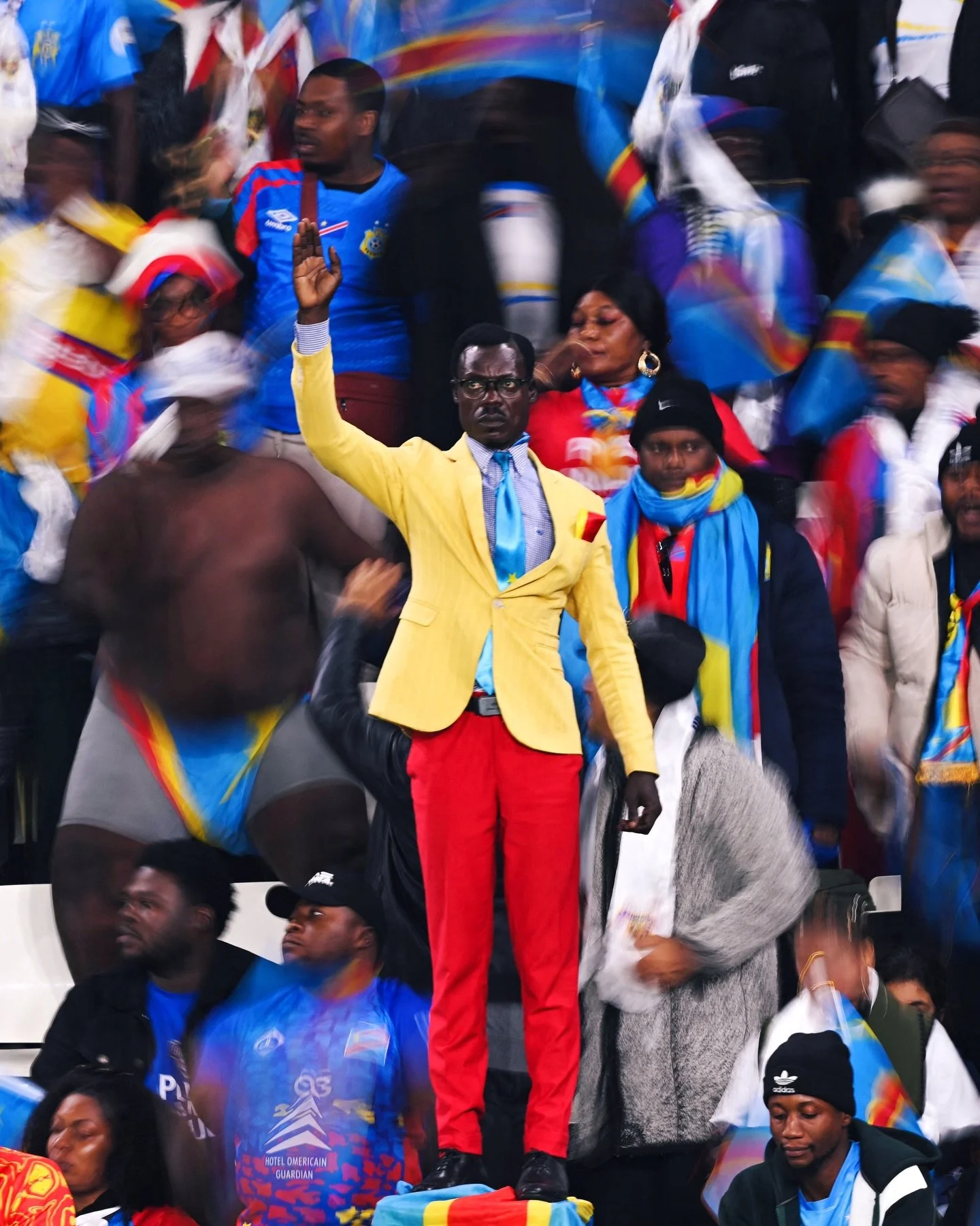
Michel Kuka Mboladinga paying tribute to Patrice Lumumba at this year’s AFCON. Image via @vrsus on X
Anyone who shares Carragher’s views is seriously lagging behind because these African nations are set to take the world by storm.
With every new iteration of the tournament, it’s evident how much the quality of football has improved. The game’s played at a faster pace, players are more technically rounded and every match features moments of ingenuity and creativity that are consistently getting bums of seats.
Arsene Wenger used to speak quite animatedly about how football as a sport is failing Africa. He ranted about the continent being home to so much potential. Potential which wasn’t being realised because Governments and associations were unable to invest time and resources into football as a result of political instability, corruption and Western exploitation.
And although these issues unfortunately remain rife across the continent, in the last few years the football world has slowly begun to understand Wenger’s school of thought. Countless academies across Africa have been set up in the last decade. Barcelona, PSG, Juventus, Inter Milan and others have invested heavily to set up footballing schools and camps in an aim to find and nurture the best talents the continent has to offer. The well covered ‘Right to dream’ academy was set up in Ghana just before the turn of the century by entrepreneur Tom Vernon and has continued to blossom. Ernest Nuamah, Mohamed Kudus and Simon Adingra are few of the many players to graduate from the youth set up with Caleb Yirenkyi at Midtjylland currently the shining light and next guy expected to go and achieve big things in Europe.
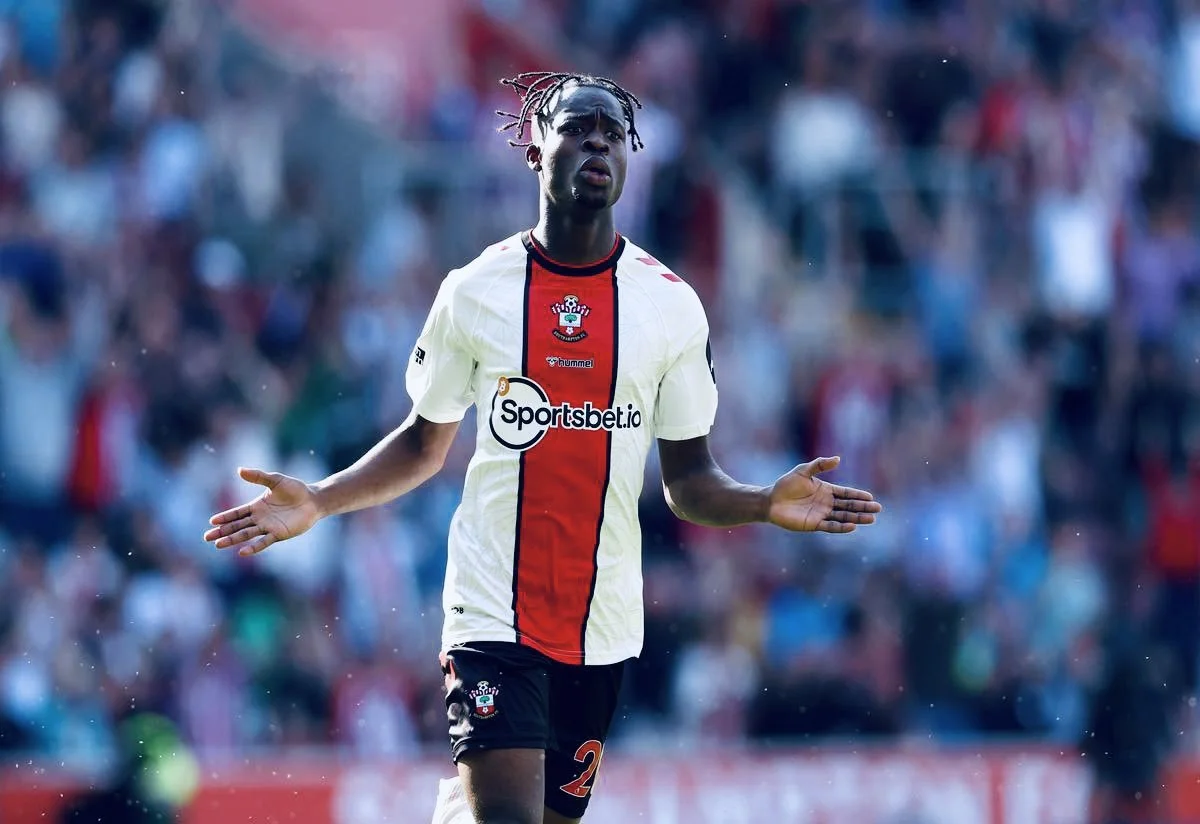
Ghanaian Kamaldeen Sulemana is another player from the right to dream academy. Image via @Ben_Mattinson_ on X
To go alongside the European investment in African football, various brilliantly manufactured footballing projects in Africa have been able to consistently produce talent. The Mohamed VI academy has been covered in detail on this website, whilst the Gènèration Foot academy in Senegal has also seen huge success in discovering footballers who have gone on to make a dent in Europe.
Improvements in technology have also radicalised modern scouting. Eyeball football provides a platform for scouts in England to be able to watch live footage in 4K resolution of a 16 year old playing in Capetown. These drastic innovations brought together by people all over the world has led to so many opportunities for players who were unlikely to be seen two decades ago. Ladies and gentleman, the globalisation of football and its benefits.
These benefits have already become blatant in the youth levels of football. At the U17 World Cup, Mali, Morocco, Uganda and Burkina Faso all advanced into the knockout rounds, causing a host of upsets in the process. Since this tournament, a number of talents across Africa have been courted by Europe’s biggest clubs. Senegalese centre-back Mor Ndiaye is on the verge of completing a move to Liverpool, Muhammed Zongo, an all-action midfielder from Mali had his signature captured by BlueCo just weeks after the tournament ended and Egyptian striker Hamza Abdelkarim is being heavily linked with Barcelona.
There’s always been talent in Africa. But now the improved footballing structure across the continent, combined with fresh push from European clubs to find the next big thing in football, has provided a platform for young footballers to achieve their dreams.
This AFCON, we have been introduced to a multitude of players who the world will soon know about. And there’s no shortage of them:
Senegal
Ibrahim Mbaye (17) - PSG
Lamine Camara (21) - Monaco
Mamadou Sarr (20) - Strasbourg
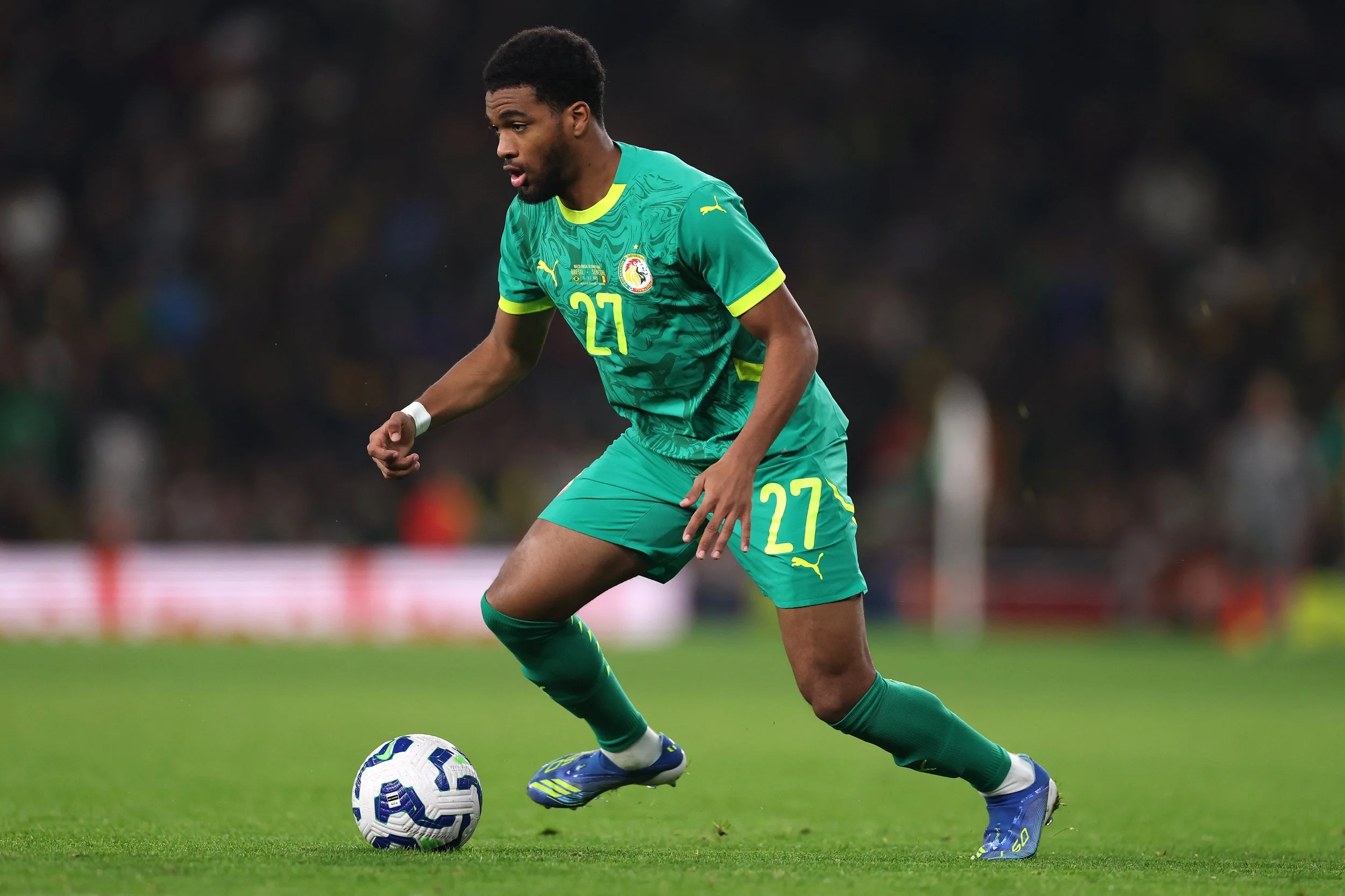
Winger Ibrahim Mbaye became the youngest ever scorer in AFCON history after scoring against Sudan in a 3-1 win vs Sudan. Sky’s the limit. Image via @OptaJean on X
Burkina Faso
Cyriaque Irie (20) - Freiburg
Arsene Kouassi (21) - Lorient
Morocco
Bilal El Khannouss (21) - Stuttgart
Eliesse Ben Seghir (20) - Bayer Leverkusen
Hamza Igamane (23) - Lille
Abdelhamid Ait Boudlal (19) - Rennes
Mali
Mamadou Sangare (23) - Lens
Mahamadou Doumbia (21) - Al Ittihad
Algeria
Ibrahim Maza (20) - Bayer Leverkusen
Cameroon
Carlos Baleba (21) - Brighton
Christian Kofane (19) - Bayer Leverkusen
Ivory Coast
Yan Diamonde (18) - RB Leipzig
Christ Inao Oulai (20) - Trabzonsor
Guela Doué (23) - Strasbourg
Bazoumana Toure (20) - Hoffenheim
Bearing in mind, these are the players I know about and have been able to watch this tournament. There’s many more that I have not had the privilege of coming into contact with just yet. It’s a hotbed for emerging talents. Some of these players will go onto dominate the sport and will no doubt be taking their nations with them in the process. It’s why an African country will win the World Cup in the next 10-20 years and its why, if you told me that Senegal or Morocco will make it to the semi-final of the upcoming one in the summer, I wouldn’t hesitate to believe you.
However, like every feel-good story, there is a dark side. Young players with a dream to play in Europe are being exploited and trafficked to by fake agents and clubs. Just months ago, Cheikh Toure, an 18 year old goalkeeper from Senegal, was contacted by individuals claiming to be scouts who offered him trials and a professional contract. However, when Toure arrived to meet these scouts, he was kidnapped and held for ransom. His mother was unable to meet the captors’ demands and Toure’s body was tragically found in mid October. Hundreds of young footballers each year are trafficked across West Africa after being sold a dream of making it professional.
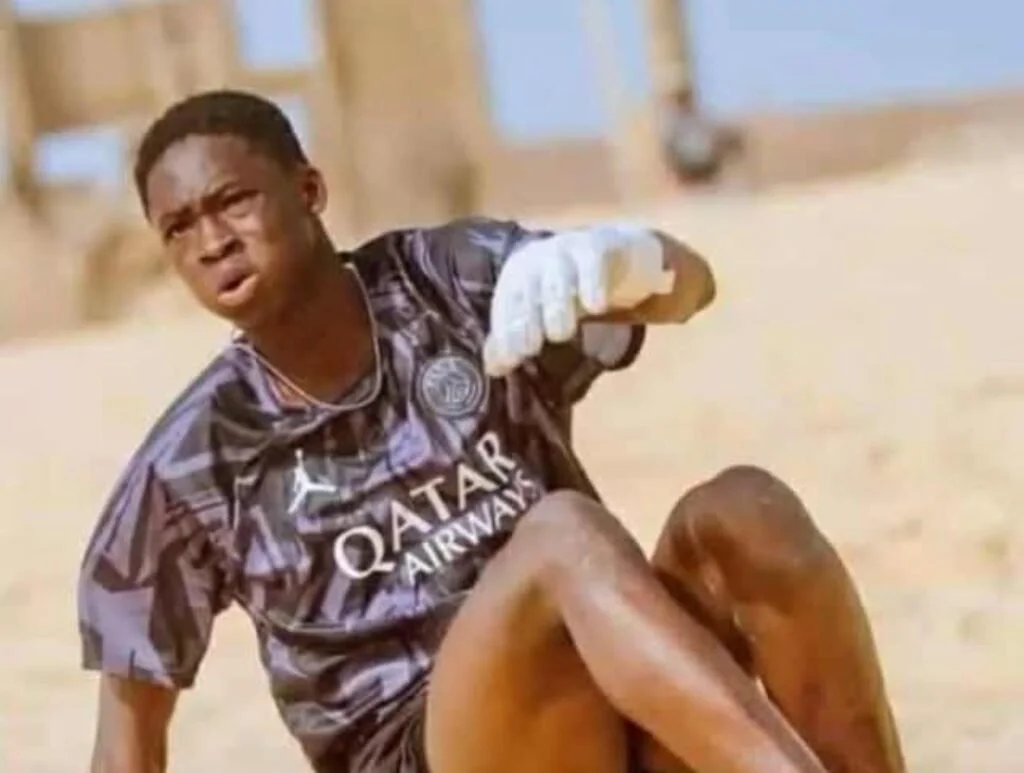
Image of goalkeeper Cheikh Toure. May he rest in piece. Image via APAnews
There’s so much more work that needs to be done in order to combat this. Clubs and organisations must continue to work together to provide young footballers with a structure and safety net that protects them from the darker side of the game. Evidently, domestic football still has a long way to go because players feel rushed to leave the continent and get to Europe as soon as possible. This desperation to make it out can lead to exploitation and horrible stories like the Cheikh Toure’s. We can only hope that these sorts of tales become less and less common as time moves on and players’ welfare becomes more supported.
But Africa is about to become a footballing superpower over the next few years and it’s about time. There was always too much talent there to keep it in the shadows for long and now globalisation, meticulous planning and the youthification of football has awoken a sleeping giant. As it grows, we need to make sure ethical codes of conduct and player protection grow with it because a rising tide should lift all boats. Morocco gave us glimpses at the last World Cup, it’ll be interesting to see which teams will stamp their name into football folklore this time around.
